
Tantra & Advaita - Yoga & Meditation
TANTRA YOGA – Tantra Yoga is s a practice originating in India that seeks spiritual liberation through connection with inner energy and the universe. It integrates physical YOGA postures (asanas), breathing exercises (pranayama), mantras (sacred sound syllables), japa (the repetitive recitation of a mantra), yantra (sacred geometric diagram), and meditation to foster a deeper connection between body, mind, and spirit. Tantra Yoga is not just a physical practice, but a path to holistic well-being that supports spiritual growth, stress reduction, and self-realization.
ADVAITA & TANTRA – Advaita and Tantra are distinct yet deeply interconnected paths within the Indian spiritual tradition, often synthesized to accelerate self-realization. While Advaita provides the non-dual philosophy (all is one), Tantra offers the tools, including Yoga, Energy work, Mantra, Pranayama, and Meditation, to experience that oneness directly.
ADVAITA & SELF-INQUIRY – It is the meditative practice of looking inward to observe, contemplate, and dissolve the false sense of ego. Instead of answering with the mind, one focuses entirely on the inner feeling of “I.” One constantly directs the question “Who am I?” inward to recognize what this “I” truly is. This helps to realize that one’s true nature is pure consciousness.
What is Yoga & Meditaion
About Yoga
Yoga is a practice that integrates the mind and body, originating from ancient India, which combines physical postures, breathing techniques, and meditation to enhance overall well-being.
It seeks to harmonize the body, mind, and spirit, promoting balance and tranquility.
Although frequently linked to physical postures, yoga also includes philosophical tenets and lifestyle practices.
Yoga is a time-honored discipline that has developed over millennia.
It encompasses not only physical exercise but also the growth of mental and spiritual aspects.
Yoga features a range of physical postures aimed at enhancing flexibility, strength, and balance.
Yoga also includes Breathing Techniques (Pranayama), Intentional breathing exercises are employed to manage the nervous system and encourage relaxation.
Yoga integrates meditation techniques to foster mindfulness and mental clarity.
Numerous styles of yoga exist, each with distinct focuses and methodologies, including Hatha, Vinyasa, Yin and Ashtanga.
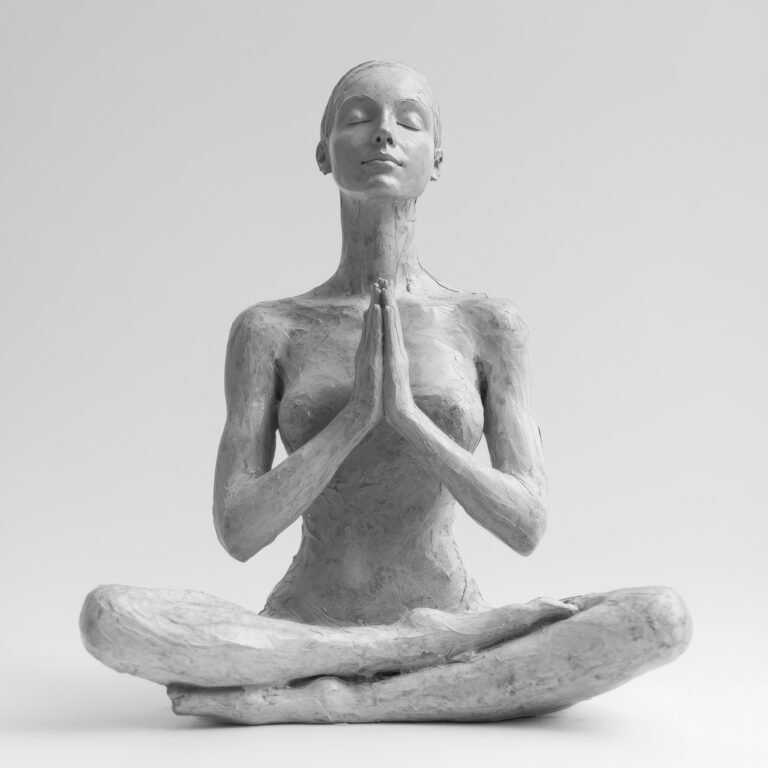
About Meditation
Meditation is a practice that trains your attention and awareness to achieve a state of mental clarity and emotional calmness. It serves as a method to concentrate your mind on a particular object, thought, or activity, such as your breath, while detaching from distracting thoughts and emotions. Although it is frequently linked to relaxation, meditation also functions as a means for self-awareness, emotional regulation, and enhanced mental well-being. Meditation entails directing your attention to a specific focal point, whether it be your breath, a mantra, a visual image, or a sensation. Observing Thoughts and Emotions, rather than attempting to suppress thoughts, meditation promotes the observation of them without judgment or attachment. Cultivating Awareness – Meditation aids in increasing your awareness of your thoughts, feelings, and bodily sensations as they emerge.
By training your attention and observing your internal experiences, meditation can result in a more tranquil and focused mind.
Types of Meditation –
Advaita Meditation: Self Inquiry and the question of “Who am I really?” beyond the mind.
Mindfulness Meditation: Concentrates on observing thoughts and feelings as they occur in the present moment without judgment.
Mantra Meditation: Involves the repetition of a word or phrase to assist in focusing the mind.
Yantra Mediation: meditating on an ancient geometric symbol or picture.
Guided Meditation: A practice in which a voice leads you through the meditation process.
Body Scan Meditation: Centers on bringing awareness to various parts of the body.
Loving-Kindness Meditation: Fosters feelings of compassion and kindness towards oneself and others.
The Benefit of Meditation & Yoga
At a psychological level, a profound sense of relaxation, contentment, and gratification.
Yoga has the potential to alleviate stress, boost flexibility and strength, improve focus and concentration, and foster a sense of well-being.
It bestows upon you a sense of empowerment, resilience, and individual beauty, accepting you just as you are.
Stress Reduction
Meditation can assist in lowering stress hormones and encouraging relaxation.
Improved Focus and Concentration:
By training your attention, meditation can enhance your capacity to concentrate on tasks.
Emotional Regulation:
Meditation can increase your awareness of your emotions and help you develop healthier responses to them.
Increased Self-Awareness:
Through consistent practice, meditation can deepen your self-understanding.
Better Sleep
Get in Touch
Monday - Sunday : 09.00 - 20.00
also on public holidays