
Meditation - what is the difference between Advaita & Tantra
While Advaita provides the non-dual philosophy (all is One), Tantra offers the tools—including Mantra, Pranayama, and Meditation—to experience that oneness directly.
Advaita Vedanta (The Philosophy)
Non-dualism. It teaches that the individual soul (Atman) is identical with the ultimate reality (Brahman).
"Goal" is the direct experience of non-duality through knowledge (Jnana). The Approach often employs self-inquiry ("Who am I?") and negation ("Neti-Neti" – not this, not that).
Tantra (The Tools)
A practical, sacred path that utilizes body and energy (Shakti) to attain spiritual liberation.
The connection to Advaita: Tantra integrates the philosophy of non-duality with practical techniques to awaken latent energy and often to see the world not as an illusion (Maya), but as a manifestation of divine energy. Tantric Practices are Mantra - Japa, Yantras, rituals (Puja), visualization, and energetic manipulation, meditation
Mantra, Pranayama and Meditation Tools
Mantra (Sound Vibration)
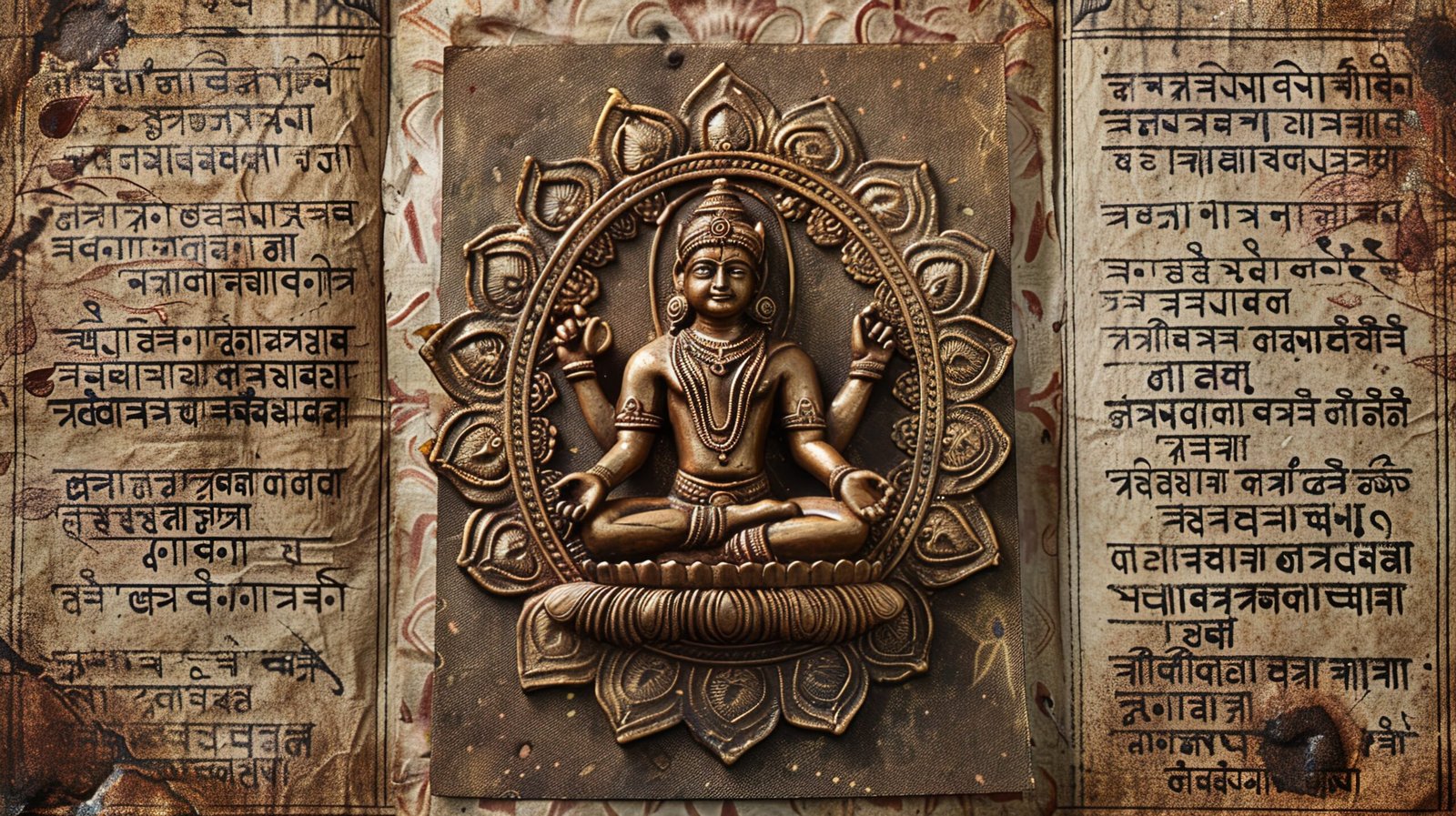
Sacred syllables, words, or phrases recited to focus the mind and alter consciousness. Mantras are used to purify the mind, cultivate specific energies, and can be practiced in Ajapa-Japa (continuous, effortless inner repetition). Examples: Om (Primordial Sound), So-Ham (I am That), or specific tantric Bija Mantras (Seed Mantras).
Pranayama (Breath Control)
The regulation of breath to control life force (Prana). Used to calm the mind and prepare it for meditation by calming the nervous system. Tantric Application: Specific, sometimes powerful, Pranayama is used to awaken Kundalini (the energy at the base of the spine) and direct it upwards in the central energy channel (Sushumna).
Meditation (Dhyana)
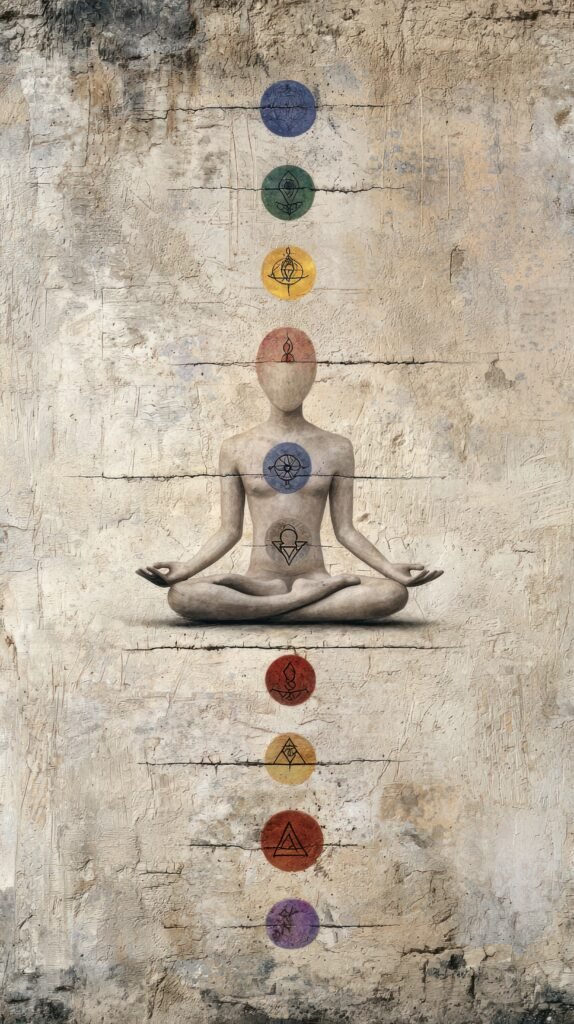
Sustained, focused mindfulness to transcend thought. Advaita meditation – Reflection on the Self (Atman), observation of the observing consciousness, and abiding in silence (e.g., Nirvana Shatkam meditation). Tantric meditation – Often involves visualization of a deity or a chakra within the body.
Tantric approach
Tantric meditation is a spiritual practice utilizing energy—including breath, sound (mantras), visualization, and chakras—to transform consciousness, enhance intimacy, and achieve deep relaxation. It often involves body-based (somatic) awareness to master the human experience, rather than escaping it, fostering joy and presence.
Somatic Awareness:
Beginning with a comfortable, seated, or lying position, practitioners often start with a body scan to release tension in areas like the jaw, shoulders, and stomach.
Breathwork (Pranayama):
Deep, mindful breathing is used to calm the mind, open energy channels, and, in some techniques, move energy through the spine (sushumna).
Visualization and Energy Flow:
Techniques include visualizing energy, such as a red kundalini core within a silver cord along the spine, to energize the chakra system.
Sound and Vibrations:
Chanting specific mantras helps focus the mind and elevate personal vibration.
Tantric Rituals: Practices can be done individually or with a partner to enhance connection, love, and emotional intimacy
Advaita approach
Advaita meditation rooted in the non-dualistic Hindu philosophy of Advaita Vedanta, is a practice designed to transcend identification with the body and mind, revealing one's true nature as pure consciousness (Atman-Brahman).
Unlike object-focused meditations, this approach is "reality-centric," focusing on being in a state of awareness rather than concentrating on an object.
Advaita meditation, often called the "direct path," utilizes several techniques to shift perspective:,
Self-Inquiry (Atma-vichara): As popularized by Ramana Maharshi, this involves asking "Who am I?" to investigate the source of the "I" thought and dissolve it, which is considered an easy way to experience non-dual reality.
Nididhyasana (Contemplation): This is the profound contemplation of the teachings of the Upanishads, solidifying the knowledge that "I am already the infinite consciousness".
Abiding as Awareness: Instead of focusing on an object, the practitioner simply rests in the feeling of being, or pure existence.
Self-Remembering: Using Sanskrit mantras or questions (e.g., "Where does this thought come from?", "Am I really separate?") to maintain an open, non-dual stance throughout the day.
Is Meditation the Deepest Spiritual Practice – or Is There Ultimately No Practice?
Meditation is often described as one of the deepest spiritual practices. Yet Advaita, Tantra and Zen also point towards something seemingly contradictory: ultimately, there may be no practice and nothing to attain.
Mantra Japa, meditation, Self-Inquiry and resting in Awareness can be understood as different approaches that gradually lead from deliberate practice towards deeper stillness and presence.
Mantra Japa – Sound, Energy and Consciousness
Mantra Japa is much more than repetition for calming the mind. In Tantra, Sanskrit mantra is understood as Mantra Shakti – the power of consciousness expressed through sacred sound.
The vibration, rhythm and repetition of particular Sanskrit mantras are traditionally understood to influence prana and the subtle energetic system, including nadis and chakras. Bija mantras such as Om, Hrim, Shrim or Klim carry particular energetic qualities and are not understood simply through their intellectual meaning.
Through sustained Japa, mantra can therefore work simultaneously with mind, breath, body and subtle energy, bringing greater concentration and inner stillness. At deeper levels, deliberate repetition can become increasingly effortless, moving towards Ajapa Japa – mantra that seems to continue by itself.
Meditation, Self-Inquiry and Awareness
Silent meditation takes a different but complementary direction. Rather than focusing continuously on an external or internal object, attention becomes quieter and turns towards Awareness itself.
In Advaita and the teachings of Ramana Maharshi, Self-Inquiry asks: Who am I? Who is aware? Who is meditating?
Bhakti approaches this through devotion and surrender, while other contemplative traditions show interesting parallels. Sufism uses Dhikr, the remembrance of the Divine; Christian mysticism moves from prayer towards inner contemplation; Buddhism investigates experience without identifying it as a permanent self; and Zen emphasises simply sitting and being completely present.
Their philosophies differ, but a recurring movement can be recognised:
Sound or prayer → focused attention → inner stillness → presence.
From Practice to No Practice
At first there is: “I practice meditation.” Later: “I rest in awareness.” Finally, there may simply be awareness itself.
From a tantric and non-dual perspective, Mantra Japa, meditation and Self-Inquiry do not necessarily compete with each other. Mantra works through sound and Shakti, meditation deepens stillness, and Self-Inquiry investigates the one who believes they are practicing.
“No practice” therefore does not mean that spiritual practice is unnecessary. It points towards the recognition that the deepest reality may not be something we can achieve through effort.
Practice can take us deeply into silence – until even the distinction between the practice, the practitioner and Awareness begins to dissolve.
Get in Touch
Monday - Sunday : 09.00 - 20.00
also on public holidays